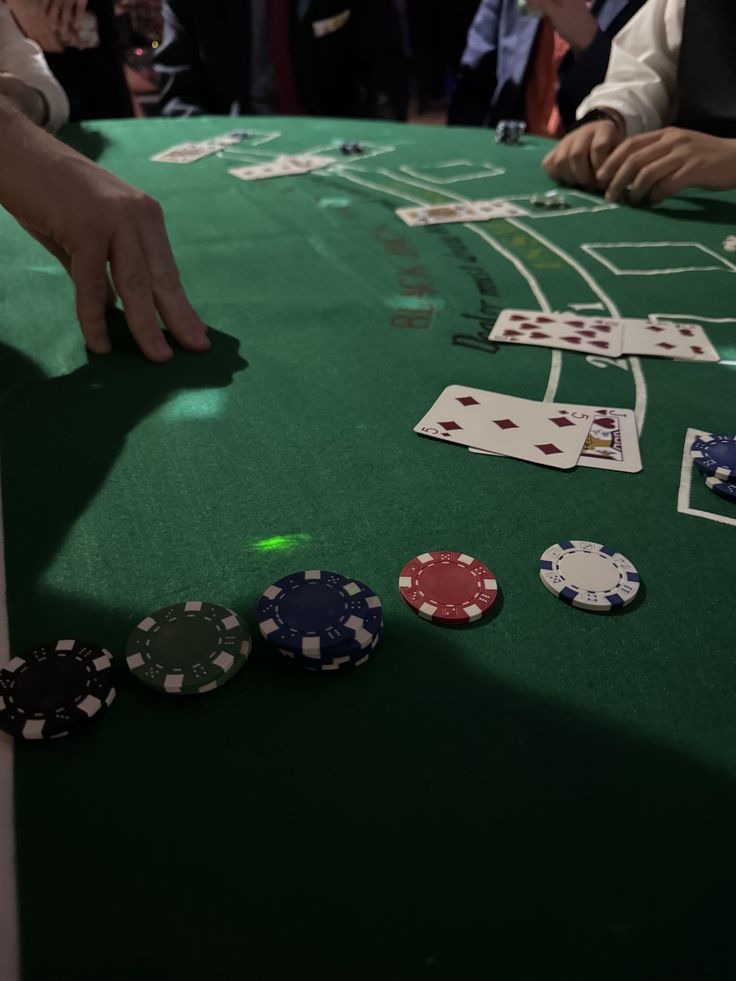

Responsible gambling is not about avoiding gambling altogether. It is about keeping gambling within clear limits of time, money, and behaviour. The trouble starts when those limits become difficult to follow. Uncontrolled gambling can develop gradually, so the early warning signs are often easier to notice in everyday habits than in one unusually large bet.
Spending More Than Planned
One of the clearest signs is when the amount being spent regularly moves beyond the budget originally set. A person might start with a fixed gambling budget but deposit more after losing, use money intended for other expenses, or increase stakes simply because a previous win created extra confidence. The UK’s Gambling Commission identifies increasing deposits, large losses, failed deposits, and spending more than originally intended as useful indicators of potential harm.
A practical responsible-gambling check is simple: Can you stop at the amount you decided to spend before starting? If the answer is repeatedly no, the limit is not doing its job. Using deposit, spending, or loss limits before gambling can create a useful barrier between an impulse and an actual transaction. In Great Britain’s 2024 data, 52% of past-year gamblers were aware of spend, loss, or deposit limits, but only 4.7% reported using them. Among people who used gambling-management tools, 84.9% said the tool reduced the time or money they spent gambling.
Chasing Losses
Another important warning sign is changing the purpose of a gambling session from entertainment to recovering money. After losing, someone may think the next bet needs to be bigger so the previous loss can be recovered quickly. This is commonly called chasing losses. It can turn a planned activity into a cycle where each loss creates pressure for another wager. The Gambling Commission includes chasing losses among the behavioural indicators operators should monitor.
A safer approach is to treat the original gambling budget as finished once it is gone. A loss should not automatically create a new spending allowance. This is one reason pre-set deposit or loss limits are useful: they make it harder to turn a bad session into an unplanned attempt to win the money back.
Gambling Starts Affecting Everyday Spending
The warning sign becomes more serious when gambling starts competing with normal household spending. Cutting back on food, bills, transport, entertainment, or other everyday purchases to keep gambling is not simply a matter of having a large gambling budget. It shows that gambling is beginning to interfere with money allocated for other priorities.
Recent 2025 Gambling Survey for Great Britain data found that, among adults who had gambled in the previous 12 months, 6.4% reported reducing spending on everyday items at least occasionally, while 5.8% reported using savings or borrowing money because of their gambling. These figures do not mean every person experiencing these consequences has the same level of risk, but they show why financial boundaries matter.
Secrecy and Changing Patterns
Behaviour around gambling can also provide useful clues. Hiding how much has been spent, avoiding questions about gambling activity, repeatedly changing limits, using several payment methods, cancelling withdrawals, or gambling for longer than planned can all be worth paying attention to. The Gambling Commission lists account, time, spending, and behaviour indicators as part of responsible gambling monitoring systems.
The smart move is to act on the pattern, not wait for a major financial problem. Keep a record of deposits and withdrawals, set limits before playing, use time reminders, and take a planned break when those controls are repeatedly being tested. Responsible gambling works best when limits are treated as part of the gambling setup, not as something to consider only after a difficult session.