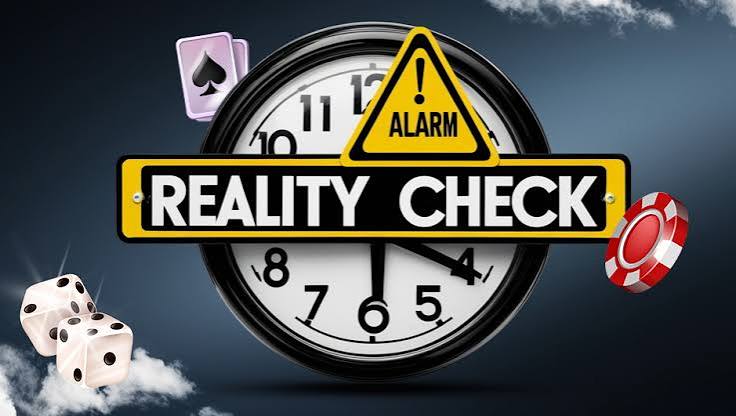

The growth of online casinos, sports betting platforms, and digital slot games has made gambling more accessible to consumers. While the industry continues to develop through new technologies and entertainment formats, protecting player wellbeing has become an equally important responsibility. Responsible gambling is not simply about displaying warning messages on websites. It involves educating players, encouraging informed decisions, identifying risky behaviour, and making support services accessible when problems arise.
Why Player Education Matters
Many gambling-related problems begin with misunderstandings about probability, winning chances, and financial risk. Some players believe that repeated losses make a future win more likely, while others assume that certain betting strategies can guarantee positive results. In reality, casino outcomes are generally based on probability and randomness, and previous losses do not guarantee future winnings.
According to the World Health Organization (WHO), approximately 1.2% of the global adult population experiences gambling disorder. The organisation also estimates that around 5.5% of women and 11.9% of men experience some level of gambling-related harm.
These figures demonstrate why player education should be a priority. Clear explanations of game mechanics, house edge, spending limits, and gambling risks can help consumers develop more realistic expectations.
Digital Tools That Encourage Responsible Behaviour
Online gambling operators have access to several tools that can help players monitor their activities. Deposit limits, spending notifications, session reminders, and self-exclusion options are examples of features designed to reduce excessive gambling.
For example, a player who establishes a monthly spending limit before accessing a platform has a clearer financial boundary. Session reminders can also encourage users to recognise how much time they have spent playing.
However, these tools should not depend entirely on players taking voluntary action. The WHO highlights the importance of effective regulation, binding limits, and accessible self-exclusion systems as part of wider gambling harm prevention.
The Importance of Player Wellbeing Initiatives
Responsible gambling programmes should consider more than financial transactions. Gambling-related problems can affect emotional health, family relationships, workplace performance, and personal confidence.
A 2025 rapid evidence assessment examined 3,200 unique research articles and included 18 articles covering 20 studies on responsible gambling messages. Its findings suggested that messages encouraging players to assess their own behaviour could be more effective than general informational warnings. It also highlighted the importance of tailoring messages to different levels of gambling risk.
This suggests that wellbeing initiatives should include personalised feedback, accessible support information, and clear guidance on recognising harmful patterns.
How Operators and Communities Can Contribute
Creating a healthier gambling environment requires cooperation between operators, regulators, researchers, and communities. Gambling businesses can improve transparency by explaining game rules, publishing theoretical return-to-player percentages, and making responsible gambling tools easy to locate.
Educational institutions and community organisations can also introduce awareness programmes that explain gambling risks, financial management, and the psychological effects of excessive betting.
Family members play an important role too. Recognising behavioural changes, discussing financial difficulties without judgment, and encouraging professional support can help people seek assistance earlier.
Conclusion
Promoting responsible gambling requires a combination of education, practical protection tools, and long-term wellbeing initiatives. Research shows that personalised messages and effective prevention measures can contribute to better awareness, although no single intervention can eliminate gambling-related harm. By improving financial knowledge, strengthening player protection, and making support services accessible, the gambling industry and wider communities can work towards a more informed and responsible environment.